Upholding our responsibility to the world and the environment, TEBANG focuses on developing water-based coatings, keeping us at the forefront of product compliance, sustainability, and innovation.
Based on this motivation, we have developed coatings with volatile organic compound (VOC) content lower than solvent-based paints.
Waterborne Versus Solvent-borne
The difference between waterborne coatings and traditional solvent-borne coatings is based on the liquefying agent used in the formulation. In waterborne solutions, water is the carrier for the resin instead of a chemical-based solvent. This distinction makes waterborne coatings safer and more environmentally sound because fewer VOCs are emitted than with their solvent-borne counterparts .
Benefits of Waterborne Coatings
Lower VOC emissions are a key benefit to waterborne technologies, an advantage that drives many companies to switch to these solutions.
Typically, solvent-borne coatings have VOC levels around 700-900g/L; in contrast, waterborne coatings have levels of about 100-300g/L.
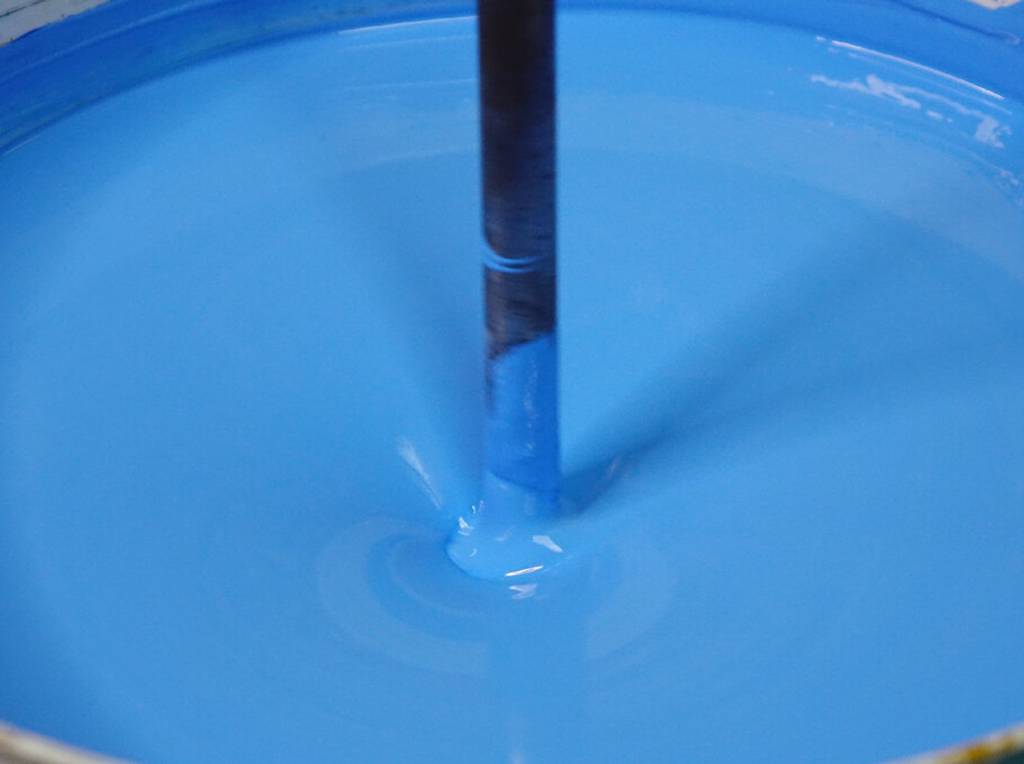
Not only do waterborne coatings generally contain less solvent than their solvent-borne counterparts, but the equipment used for application can be cleaned with water.
Other benefits include:
- The use of water instead of solvent means lower toxicity and flammability , creating healthier and safer workplacesLess coating is required to cover the same surface area as a solvent-borne coating, resulting in cost savings
- Increased performance with better adhesion to different substrates, flexibility and robustness
- Reduced costs for customers in regions that have tighter environmental regulations due to reduced waste-removal processes
Where Can Waterborne Coatings Be Used?
The application range of Waterborne Coatings is extensive, including:, including:
- Automotive OEM
- Aerospace
- Refinish
- Architectural projects
- Decorative and functional coatings for electronic materials